What Does Acupuncture Actually Do to Your Body?


If you've ever searched this question, chances are you're staring down a decision: try something new for a problem that hasn't responded to anything else, or keep doing what you've been doing and hope it eventually works. I get asked this almost every week, usually by someone sitting across from me who is equal parts curious and skeptical. So let's skip the generic "5,000-year-old tradition" intro you've read a hundred times and talk about what's actually happening in your body — and why, in my experience, it so often works when nothing else has.
Why I Do This Work
I didn't come to acupuncture through a textbook. Someone close to me was an acupuncturist, and I watched, over and over, as it changed people's lives — not in a vague, feel-good way, but in real, measurable shifts in how they moved, slept, and felt in their own bodies. That's what pulled me in. I wanted to be part of that. Years later, running Enso Zen Acupuncture in Matthews, NC, that's still exactly what keeps me doing this work.
So, What Is Acupuncture Actually Doing?
Strip away the mystique and here's the honest, practical answer I give patients: acupuncture increases circulation, decreases inflammation, and helps your body remember how to heal itself.
That last part is the piece people don't expect. Acupuncture isn't a fix you receive passively, the way you'd take a pill. The needles are a stimulus — a very precise one — that prompts your own nervous system and circulatory system to respond. Blood flow increases to the treated area, delivering oxygen and nutrients while helping clear out inflammatory buildup. Your nervous system shifts out of the "on guard" state that chronic pain, stress, and hormonal imbalance tend to keep it stuck in. Over a series of treatments, the body essentially relearns a healthier baseline — which is why consistency matters so much more than any single session.
Where I See It Work Best
I treat a wide range of conditions here — headaches, back and neck pain, sciatica, TMJ, digestive issues, fatigue — but if you ask me where I personally see the most dramatic transformations, it's three areas: pain, anxiety, and gynecological and hormonal issues.
Pain patients often arrive after trying everything else — physical therapy, medication, sometimes surgery — and acupuncture becomes the thing that finally moves them off a plateau. Anxiety patients frequently describe a kind of quiet they haven't felt in years, sometimes after just a few sessions. And on the gynecological side, I've worked with women through perimenopause, postmenopause, and the kind of stress-driven symptoms that Western medicine often has surprisingly little to offer for. One of my longtime patients, who I've now treated for over 15 years, has come back to me through multiple life stages — perimenopause, postmenopause, stress, leg edema — because she knows this is where she consistently finds relief.
The Moment That Still Surprises Me
Even after years of doing this, one thing genuinely surprises me every time it happens: how effective acupuncture is for patients who come to me as an absolute last resort. These are people whose own doctors told them there was nothing more to be done. And then, treatment by treatment, they improve. I don't say this to dismiss conventional medicine — I refer patients to their doctors constantly, and this isn't a replacement for necessary medical care. But it has taught me not to underestimate what the body is capable of when you give it the right stimulus and the consistency to respond to it.
"Does It Hurt?" (The Question I Get the Most)
This is probably the single biggest myth keeping people from trying acupuncture: that it's painful. It's an understandable assumption — needles sound intimidating. But here's the distinction that matters: at Enso Zen, we use Japanese-style acupuncture, which uses thinner needles and a shallower, gentler insertion technique than the Chinese style most people picture. Most patients are surprised by how little they feel — and what they do feel is closer to relaxation than discomfort. People often describe drifting into a genuinely restful state during treatment, sometimes even falling asleep on the table.
What a Treatment Actually Looks Like Here
Beyond the needles themselves, treatment is built around you specifically — no two patients get an identical plan. Depending on what you're dealing with, a session might also include:
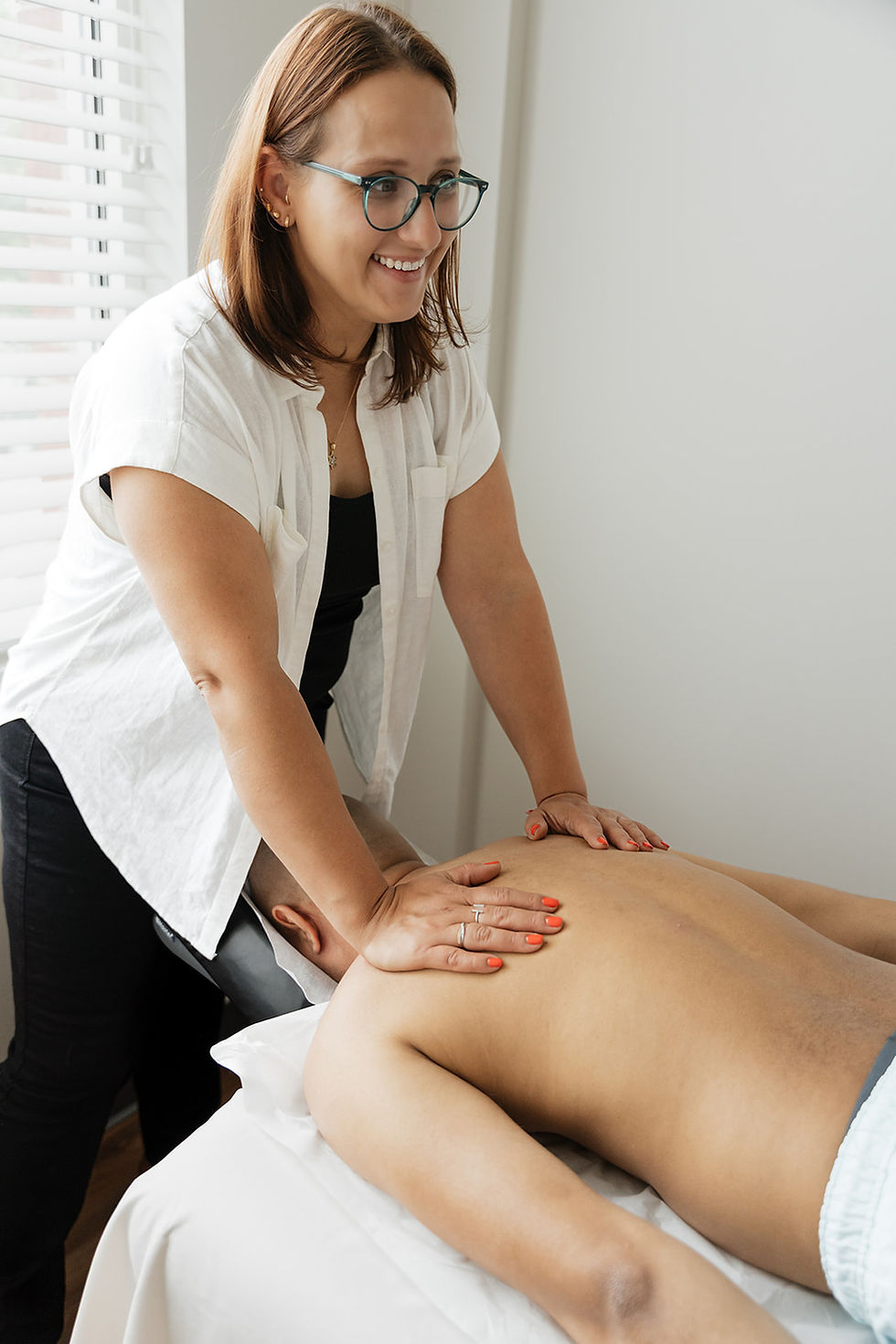
Zen Shiatsu, a bodywork technique that complements the acupuncture and supports the nervous system shift into a more relaxed state
Kampo, Japanese herbal medicine, used as a gentler alternative or supplement to pharmaceuticals
Cupping and moxibustion, both aimed at boosting circulation and easing muscular tension
Cosmetic and facial acupuncture, for patients focused on skin and facial rejuvenation alongside overall wellness
And the environment matters more than people expect going in. The space itself is designed to be calming — patients regularly tell us the office feels warm and welcoming from the moment they walk in, which genuinely changes how the nervous system responds to treatment before a single needle is even placed.
How Long Until You Notice a Difference?
Honestly? It depends — and I mean that specifically, not as a dodge. The timeline varies person to person, condition to condition. What I can tell you with confidence is that consistency is the real driver of results. Acupuncture builds on itself. Sporadic visits give your body a series of resets instead of a sustained shift. Patients who come in on a regular, recommended cadence are the ones who see their headaches disappear, their energy come back, their anxiety quiet down, and their pain resolve — not just temporarily, but in a way that holds.

What Patients Say
I could tell you all of this myself, but it means more coming from the people who've actually experienced it:
"I came in with frequent headaches and low energy, and after treatment my headaches were gone and my energy improved significantly... the atmosphere is peaceful and relaxing." — Karina K.
"I have known Dr. Polina for over 15 years... She has helped me through perimenopause, postmenopause, stress, and leg edema, always with compassion, knowledge, and genuine care." — Ninel S.
"I felt warmly welcomed, comfortable, and genuinely cared for. She is highly knowledgeable and professional. The treatments and environment were gentle, calming, and made a significant difference." — Aleksandr E.
The Bottom Line
Acupuncture doesn't work by masking symptoms — it works by giving your body the stimulus and consistency it needs to regulate itself again: better circulation, less inflammation, and a nervous system that isn't stuck in overdrive. Whether you're dealing with chronic pain, anxiety, hormonal shifts, or you've simply run out of other options, it's worth understanding what's actually happening beneath the surface before you write it off — or before you wait as long as some of my patients did to finally try it.
If you're curious whether it's right for you, we offer a free 15-minute consultation to talk through your specific situation before you commit to anything.


Comments